The Long-Term Benefits of Professional Basement Waterproofing
@lorenzohjsg508
October 20, 2026 · 15 min read
A basement rarely asks for attention until something goes wrong. A damp wall, a musty smell, a patch of white https://ameblo.jp/kylertlox084/entry-12982143805.html mineral residue on concrete, a cardboard box that feels soft at the corners, these are the kinds of warnings homeowners notice after moisture has already found a path inside. By that point, the question is no longer whether water is affecting the space. The real question is how far the problem has progressed, and what it will cost if it is handled halfway.
Professional Basement Waterproofing is often treated like a repair for obvious leaks. In practice, it is much more than that. Done properly, it protects structural materials, preserves indoor air quality, supports property value, reduces long-term maintenance, and gives a house a better chance of aging well. Those benefits compound over time. That is what makes waterproofing such a practical investment, especially in homes with below-grade spaces that are expected to stay usable for decades.
Water in a basement is rarely a one-time event
One of the biggest misconceptions about wet basements is that they result from a single heavy storm or an isolated plumbing mishap. In many homes, water issues are repetitive and progressive. Hydrostatic pressure builds in the soil after rain or snowmelt. Groundwater pushes against foundation walls. Small cracks widen season after season. Window wells collect runoff. Improper grading directs roof water back toward the house. A basement may stay mostly dry nine months of the year and still be suffering active moisture intrusion during the other three.
That pattern matters because materials do not need standing water to deteriorate. Repeated dampness is enough. Framing can absorb moisture and remain elevated for long periods. Finished walls can trap condensation. Adhesives can fail. Paint can blister. A sump pit that runs more often than expected may be signaling a drainage issue that deserves closer attention. Even when the floor never floods, a consistently humid basement can create slow, expensive damage.
Professional waterproofing addresses the causes behind those patterns. It is not just a matter of sealing a visible crack and hoping for the best. A competent contractor looks at water behavior around and beneath the home, the condition of the foundation, drainage paths, the age of the structure, and how the basement is used. That broader view is where the long-term value begins.
Structural protection is the most important payoff
When homeowners think about basement water, they often focus on ruined belongings or cleanup costs. Those are real concerns, but the structural consequences are more serious. Concrete and masonry are durable, but they are not immune to water pressure and freeze-thaw cycles. Mortar joints can weaken. Hairline cracks can expand. In block foundations, water can collect within hollow cores. Over time, repeated saturation may contribute to bowing walls, settlement concerns, and interior deterioration.
The trouble is that structural issues rarely announce themselves dramatically at first. A crack may seem stable for years. A wall may look merely stained. A floor may feel slightly uneven without drawing alarm. Yet persistent moisture often works in the background, reducing the margin of safety. By the time a homeowner notices wall movement or widening cracks, the repair scope can be much larger than it would have been earlier.
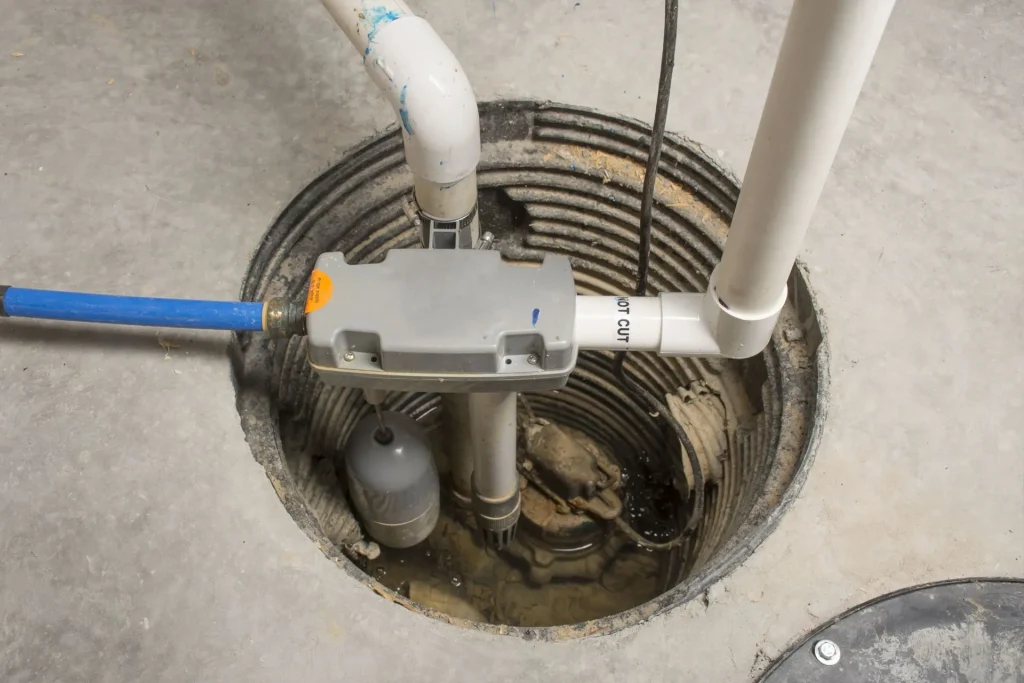
Professional Basement Waterproofing helps by reducing the water load pressing against the foundation. That can involve interior drainage systems, sump pump installation, exterior membrane application, footing drain correction, crack injection, grading improvements, or a combination of methods. The right approach depends on the type of water entry and the design of the house. What matters over the long run is that the system lowers pressure, manages drainage predictably, and keeps foundation materials from living under constant stress.
This is where professional judgment makes a difference. A surface patch from a hardware store can hide symptoms without changing the conditions that created them. By contrast, a well-designed waterproofing plan works with how water moves through soil and around structures. It aims for durability, not cosmetics.
Better air quality starts below grade
A damp basement does not stay in the basement. Air moves upward through a house, carrying moisture and odors with it. Many building professionals refer to this as the stack effect. Warm air rises and escapes through upper portions of the home, which draws air from lower areas to replace it. If the basement smells musty, some of that air is likely making its way into living spaces.
That has practical consequences for comfort and health. Basements with chronic moisture often support mold growth on organic materials, including wood framing, paper-faced drywall, stored fabrics, and dust. Even without visible mold, high humidity can create a stale indoor environment that homeowners notice but cannot quite diagnose. People may describe it as a heavy smell after rain, or a persistent dampness that lingers despite cleaning.
Professional waterproofing reduces the moisture sources that feed those problems. It does not replace proper ventilation or dehumidification, but it makes those systems far more effective. There is a major difference between running a dehumidifier in a basement that occasionally feels humid and running one in a basement where water is continually entering through walls or slab edges. One setup manages normal conditions. The other is fighting a losing battle.
I have seen basements where homeowners emptied dehumidifier tanks daily and still complained about odors in upstairs bedrooms. In several cases, the issue was not insufficient dehumidification. It was chronic water intrusion at the cove joint where the wall meets the floor. Once drainage was corrected and the basement was properly waterproofed, humidity levels stabilized, the odor faded, and the house felt cleaner overall.
Finished basements last longer when the shell is protected first
A finished basement is one of the most vulnerable spaces in a home when waterproofing has been neglected. Flooring, drywall, insulation, trim, and built-in storage can be damaged by even minor water entry. The frustrating part is that many finished basements look excellent right up until the day they do not. Behind painted walls, moisture may be accumulating long before there is a visible stain or soft baseboard.
Professional Basement Waterproofing is especially valuable before a basement renovation, though it remains worthwhile after one. A homeowner investing in a gym, office, guest suite, or media room below grade should think of waterproofing as foundational work, not an optional upgrade. It protects the money spent on finishes and reduces the risk of future tear-out.
There is also a design benefit. Once a basement has reliable moisture control, material choices improve. Flooring options become broader. Wall systems can be selected for performance rather than emergency resilience. Storage can be planned with confidence. Furniture placement becomes less tentative. The space stops feeling temporary.
A common mistake is to spend tens of thousands on finishing work while postponing water management because the basement has only had “a little dampness.” That phrase has cost many homeowners more than they expected. Modest moisture issues have a way of exposing expensive finishes first and demanding proper waterproofing second. Reversing that order is almost always cheaper.
Property value is tied to buyer confidence
Real estate markets vary, but one truth holds across nearly all of them: buyers get nervous around signs of basement moisture. They may not fully understand the technical cause, but they know water below grade can signal trouble. A stain on the wall, a running dehumidifier, a musty odor, or fresh paint in suspicious places can raise doubts fast. Those doubts affect offers, negotiations, and inspection outcomes.
Professional waterproofing can strengthen buyer confidence because it shows the issue was handled systematically. Documentation matters here. A transferable warranty, records of installed drainage systems, notes on crack repair, and evidence of exterior water management all help a seller demonstrate that the basement was not ignored or covered up.
This does not mean waterproofing automatically increases resale price dollar for dollar. Housing economics are rarely that neat. The more realistic long-term benefit is that waterproofing preserves marketability, reduces the chance of late-stage surprises during a sale, and helps the home compete without apology. In neighborhoods where basements are common, a dry lower level often separates well-maintained homes from homes buyers fear will become projects.
Inspectors and experienced buyers can usually tell the difference between cosmetic hiding and real correction. That is another reason professional work pays off over time. It leaves a paper trail and a physical system that makes sense.
Lower maintenance costs add up quietly
Some home improvements are visible every day. Basement waterproofing usually is not, at least when it is done right. That can make it easy to underestimate its financial value. Yet one of its strongest advantages is how many recurring problems it helps avoid.
Consider the usual chain reaction of a damp basement. Stored items need replacement. Paint peels and gets redone. Dehumidifiers run harder and wear out sooner. Carpeting smells and is removed. Minor crack repairs are repeated. Cleanup follows every heavy rain. If a sump pump is absent or inadequate, a single storm can bring emergency extraction, disposal of damaged materials, and rushed repairs at premium rates.
Those costs do not always arrive as a dramatic five-figure event. More often, they accumulate in irregular but persistent ways. Homeowners spend a few hundred dollars here, a thousand there, a weekend cleaning and drying, another service call after the next storm. Over ten or fifteen years, the total can easily outpace the cost of doing the waterproofing correctly in the first place.
The long-term savings are not just about avoiding disaster. They are about reducing friction. A dry basement asks less of the homeowner. Fewer surprises, fewer recurring fixes, fewer compromises about what can safely be stored or installed below grade.
Energy performance improves when moisture is controlled
Wet basements often feel colder in winter and more oppressive in summer. Some of that is perception, but much of it is physical. Damp air is harder to condition. Insulation that absorbs moisture loses effectiveness. HVAC systems may run longer when humidity is elevated. In homes where the basement is connected to the main living area, those conditions can affect the whole house.
Professional waterproofing supports more stable indoor conditions. Once bulk water and chronic seepage are controlled, insulation and air sealing strategies tend to perform as intended. A dehumidifier can maintain reasonable humidity instead of operating nonstop. Heating and cooling loads may become more manageable, particularly in finished or semi-finished basements.
No responsible contractor should promise dramatic utility savings from waterproofing alone. Too many variables affect energy use, including house size, insulation levels, climate, and HVAC condition. But in real homes, reducing basement moisture often contributes to a more efficient and comfortable envelope. The gains may be moderate rather than spectacular, yet they persist year after year.
The right waterproofing method depends on the failure point
This is where many homeowners feel overwhelmed. Waterproofing is not one product. It is a strategy. A basement can take on water through wall cracks, tie rod penetrations, porous masonry, the floor-wall joint, window wells, failed footing drains, surface runoff, or rising groundwater. Each pathway suggests a different solution, and some basements need a layered approach.
An experienced professional typically evaluates several factors at once:
- How water is entering, not just where it becomes visible
- Whether pressure is building outside the wall or under the slab
- The condition of existing drainage components, if any
- Whether the problem is seasonal, storm-driven, or constant
- How the basement is used now, and how the owner plans to use it later
That last point is easy to miss. An unfinished utility basement can tolerate conditions that would be unacceptable in a finished family space. Storage of holiday decorations is one thing. A home office with electronics and flooring is another. Professional recommendations should reflect that difference.
Sometimes interior systems are the sensible answer, especially when excavation would be disruptive or impractical. In other cases, exterior waterproofing is the more durable solution because it stops water before it reaches the wall assembly. There are homes where both approaches make sense, paired with downspout extensions, regrading, or window well improvements. The long-term benefit comes from matching the method to the actual water behavior, not from applying a standard package to every house.
Not every damp basement needs the most expensive solution
Good waterproofing advice includes restraint. Some basements have severe hydrostatic issues that justify a substantial system. Others have simpler surface water problems caused by short downspouts, settled landscaping, or clogged gutters. Spending aggressively on the wrong fix helps no one.
A professional assessment should separate symptom from cause and major defect from manageable issue. If all roof discharge is pooling against the foundation, exterior drainage corrections may solve more than homeowners expect. If a crack is isolated and inactive, targeted repair may be enough. If the basement humidity problem is driven mostly by summer air infiltration and uninsulated cold surfaces, the answer may include dehumidification and air sealing alongside more limited waterproofing measures.
That nuance is part of the long-term value. Competent contractors do not just install systems. They prioritize. They explain what is urgent, what is preventative, and what can reasonably wait. Homeowners benefit because money goes toward durable risk reduction rather than fear-driven spending.
Warranties matter, but workmanship matters more
Homeowners often ask first about warranty length, and understandably so. A warranty can be useful, particularly if it is transferable and backed by a stable company. But the stronger indicator of long-term performance is still workmanship. Poorly installed waterproofing with a generous warranty is not a bargain. It is a future dispute.
The best projects usually share a few traits. The diagnosis was specific. The scope matched the problem. Drainage paths were thoughtfully designed. Penetrations and transitions were handled carefully. Pump systems, if included, were properly sized and discharged away from the house. The crew left access for maintenance where needed. The homeowner understood how the system worked before the job wrapped up.
Here are a few signs that the process is being handled professionally:
- The contractor inspects both inside and outside the home
- Recommendations are tied to visible conditions, not generic sales language
- The proposal explains what problem each component is solving
- Drainage and discharge details are discussed clearly
- Maintenance expectations, including pump testing, are addressed up front
That kind of clarity is worth a great deal over the life of the house. It reduces the odds of misunderstanding and helps homeowners make decisions based on evidence.
Peace of mind has practical value
It is easy to treat peace of mind like a soft benefit, something secondary to dollars and materials. In real ownership, it matters more than people admit. A homeowner who has dealt with basement seepage during storms tends to watch the weather differently. Heavy rain becomes a source of tension. Weekend trips require checking the forecast. Finished spaces downstairs never quite feel secure. Stored family items become vulnerable by default.
When waterproofing is done well, that low-grade stress fades. The basement becomes ordinary again, which is exactly what most homeowners want. They stop arranging life around a recurring problem. They use the space more freely. They trust it.
That trust is earned through performance over time. After several seasons of rain, snowmelt, and humidity shifts, a dry basement changes how the entire home feels. The benefit is not flashy, but it is deeply practical.
Why timing matters more than many homeowners think
The best moment to waterproof a basement is usually before moisture damage becomes obvious and expensive. That does not mean every home needs immediate intervention. It means waiting for a dramatic failure is rarely cost-effective. Early warning signs deserve attention, especially efflorescence, damp odors, recurring condensation on walls, rusting metal near the slab, peeling paint, and water appearing after storms.
Moisture issues tend to widen the scope of future repairs. What begins as a drainage correction can grow into framing replacement, mold remediation, flooring removal, and wall reconstruction if ignored for too long. Professional Basement Waterproofing interrupts that progression.
It also allows homeowners to plan rather than react. Planned work is almost always less stressful and less expensive than emergency work. You can compare proposals, ask better questions, budget appropriately, and schedule during favorable conditions. You can choose the right contractor instead of the fastest available one after a flood.
A dry basement is not just a nicer basement. It is a sign that the house is managing water the way it should. That has structural, financial, and practical consequences that stretch far beyond one rainy season. Over the long term, professional waterproofing protects the parts of a home that are hardest to replace and easiest to take for granted, until they fail. For most homeowners, that makes it less of a repair expense and more of a form of asset protection, one that pays back quietly, steadily, and for years.
ARD Waterproofing
98 Smull Ave, West Caldwell, NJ 07006, United States
+1 917-691-8411
FAQ About Basement Waterproofing
Can you 100% Waterproof a Basement in West Caldwell?
A properly designed system can substantially reduce basement water intrusion, but no method can promise protection against every flood, equipment failure, or future change in site conditions. The first step is identifying whether moisture comes from surface runoff, groundwater, plumbing, or condensation. Solutions may include grading and gutter improvements, drainage, foundation repairs, and a sump system. Review the specific coverage and exclusions of any written warranty.
How much does it cost to professionally waterproof a basement in NJ?
There is no single price that fits every basement. Cost depends on the cause of the leak, the area needing work, access, excavation requirements, drainage design, sump equipment, and restoration of disturbed finishes or landscaping. Request an on-site assessment and an itemized written estimate that explains the scope, exclusions, and maintenance requirements before comparing proposals.
How long does foundation waterproofing last in West Caldwell, NJ?
Service life varies with the waterproofing materials, installation quality, soil and water conditions, and maintenance. Drainage components and pumps may require servicing or replacement even when other parts of the system remain functional. Keep gutters, drainage outlets, and sump equipment maintained, and have recurring leaks or changes in foundation condition assessed. Ask for product-specific expectations and written warranty terms rather than relying on one lifespan for the entire system.